
The hidden benefits of EMS body sculpting for Wollongong mums

Addressing Ab Separation and Weak Pelvic Floor Issues
Motherhood brings many joys, but it also brings physical changes that can be challenging to manage. After childbirth, many women face issues like abdominal separation and a weak pelvic floor.
These conditions often go unnoticed or untreated, yet they affect daily life and confidence. Electrical Muscle Stimulation (EMS) body sculpting offers surprising benefits beyond shaping the body.
This post explores how EMS can help with these common postpartum concerns, explaining what they are and how EMS supports recovery in clear, practical terms.
Understanding Abdominal Separation After Childbirth
Abdominal separation, medically called diastasis recti, happens when the large abdominal muscles separate along the midline. This is common during pregnancy as the growing baby pushes the muscles apart. After birth, these muscles may not fully come back together, leaving a gap.
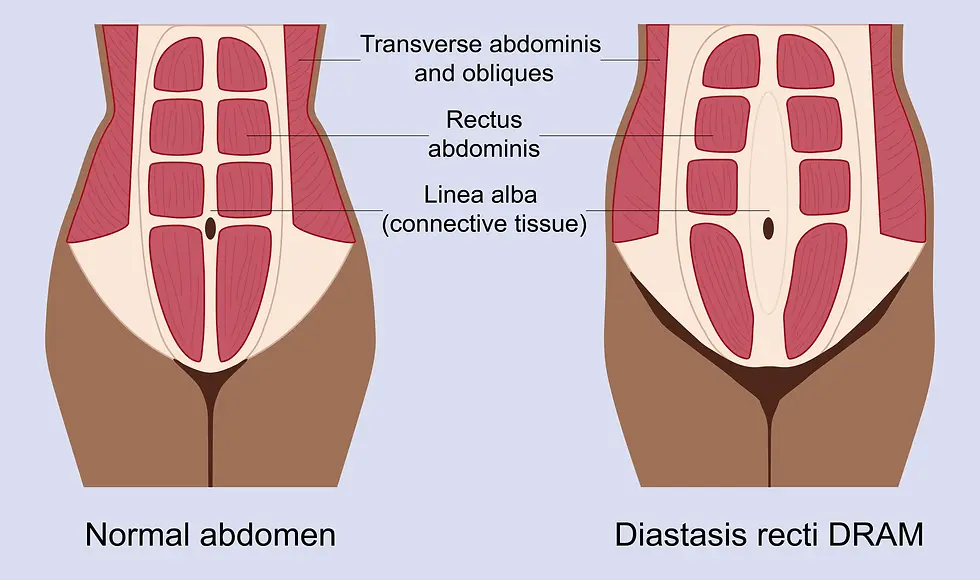
What Abdominal Separation Feels Like
A visible bulge or "pooch" in the stomach area, especially when straining or sitting up
Lower back pain due to weakened core support
Difficulty lifting or carrying heavy items
Poor posture and discomfort during exercise
How EMS Helps Abdominal Separation
EMS uses electrical impulses to stimulate muscle contractions. For diastasis recti, EMS targets the deep core muscles, including the transverse abdominis, which acts like a natural corset around the belly.
Muscle Activation: EMS triggers deep muscle fibers that are hard to engage with regular exercise.
Improved Muscle Tone: Regular EMS sessions help rebuild strength and tone in the abdominal wall.
Reduced Gap: By strengthening the muscles on either side of the separation, EMS encourages the gap to close over time.
Pain Relief: Stronger core muscles support the spine better, reducing back pain linked to abdominal weakness.
In simple terms, EMS wakes the core muscles up that have become weak or inactive after pregnancy.
Now onto the second major noted condition after childbirth: Weakened pelvic floor
What Is a Weak Pelvic Floor?
The pelvic floor is a group of muscles that support the bladder, uterus, and bowel. Childbirth can stretch and weaken these muscles, leading to problems like incontinence and pelvic or sexual discomfort.

Common Signs of a Weak Pelvic Floor
Leaking urine or the "oops moment" when coughing, sneezing, or exercising
A feeling of heaviness or pressure in the pelvic area
Difficulty controlling bowel movements
Pain during intimacy
How EMS Supports Pelvic Floor Strength
EMS devices designed for pelvic floor therapy deliver gentle electrical pulses to stimulate muscle contractions deep inside the pelvis.
Targeted Muscle Training: EMS reaches muscles that are difficult to activate consciously.
Improved Muscle Tone and Endurance: Regular EMS sessions build strength and stamina in pelvic muscles.
Better Bladder Control: Stronger pelvic muscles reduce episodes of leakage.
Enhanced Recovery: EMS can speed up healing after childbirth by increasing blood flow and muscle function.
For mums dealing with incontinence or pelvic discomfort, EMS offers a non-invasive way to regain control and confidence without the need for surgery or medication.
Practical tips for if you're considering EMS
Combine with Exercise: EMS works best alongside gentle core and pelvic floor exercises.
Consistency Is Key: Regular sessions over several weeks produce the best results.
Client Testimonial
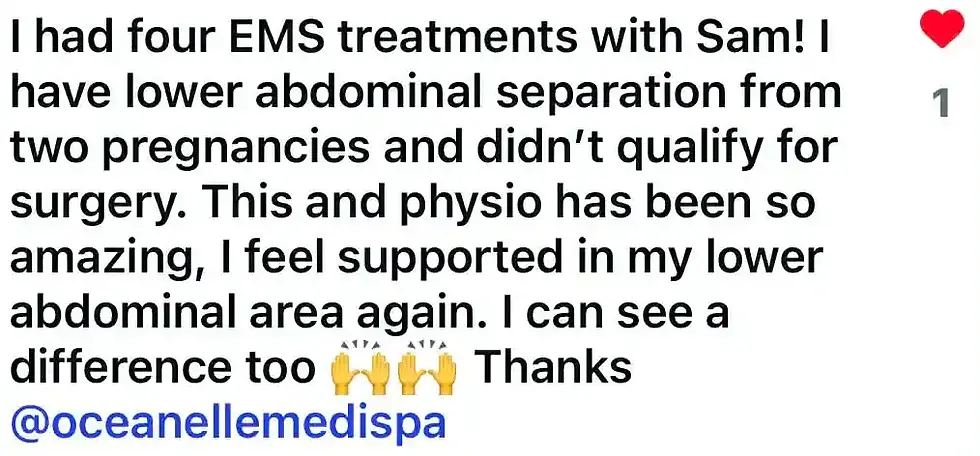
EMS body sculpting (wollongong) isn’t just about toning. Discover how EMS can support core strength, ab separation and pelvic floor recovery for mums.



Comments